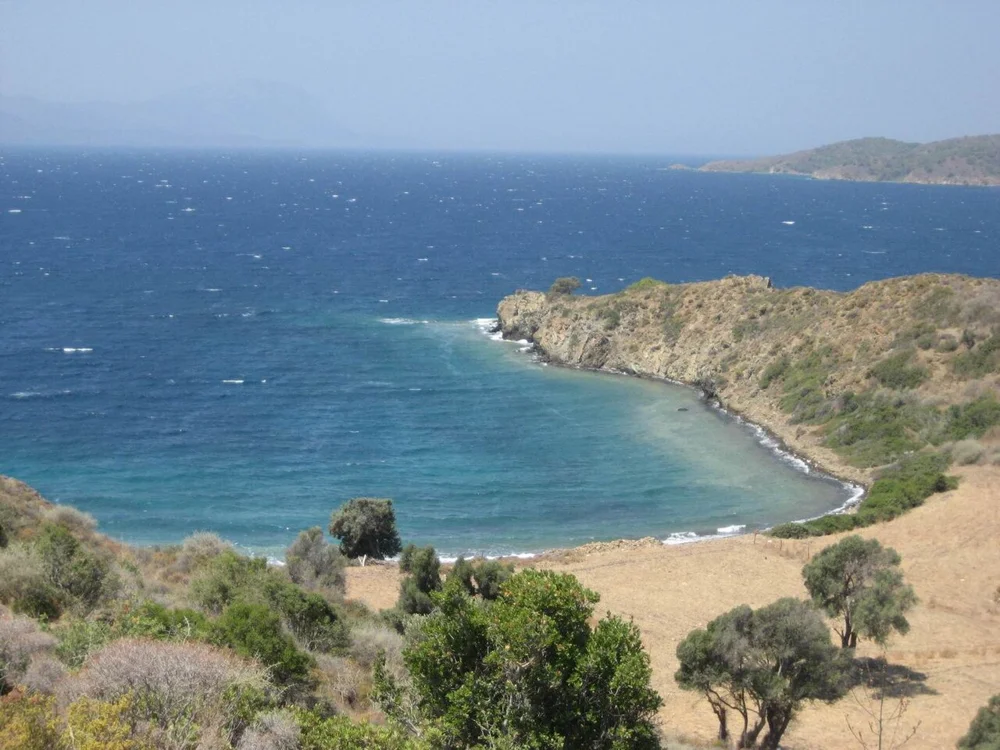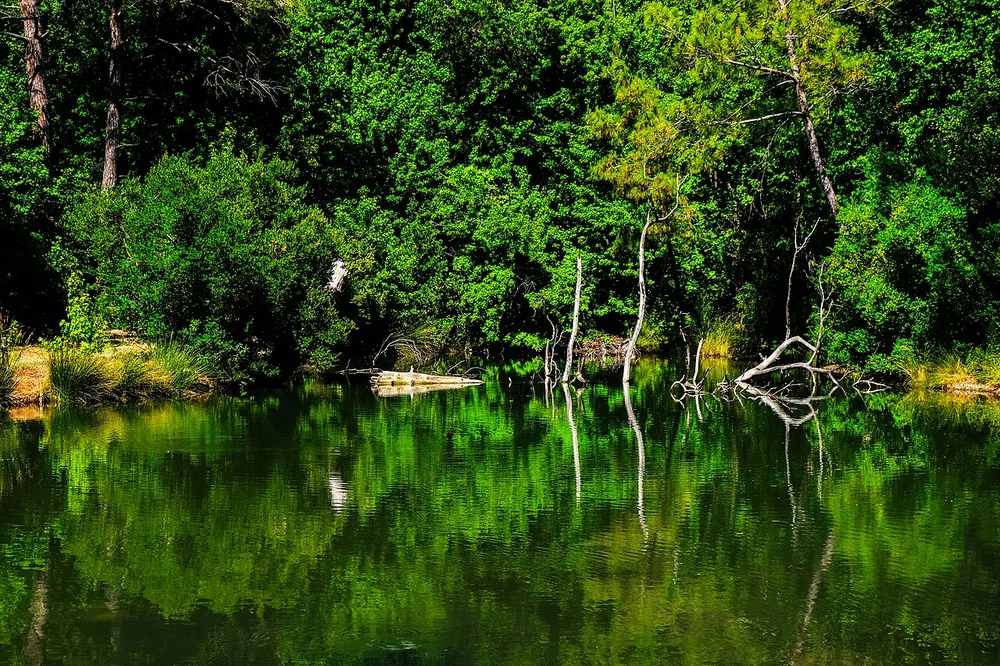
Read the landscape as connected habitats
Marmaris nature is more than one tree species or a beautiful bay. Forest, shore and other habitats interact, and the official national park description discusses Turkish red pine and sweetgum in particular sections. Their distribution should not be assumed uniform across the park.
Look at how vegetation, moisture and ground conditions change on a permitted walk. Photographs and notes let you compare plants without removing leaves, bark or other material.
Species lists need dates and context
Official studies record plants and animals within a research area and period. These records are not a promise of visitor sightings. When comparing a recent study with an older list, check the dates, boundaries and classification used before treating differences as changes in the population.
Do not follow wildlife into sensitive places, feed animals or use loud sounds to attract them. A quiet observation from an allowed route can be more informative than an intrusive close photograph.
Coastal protection has different examples
Boncuk Bay illustrates a specific marine protection issue, while Bördübet Wildlife Development Area has a different protected status. Their rules should not be merged.
On a walk, ask what plants are present, how the surface changes and which signs of life you notice. For an actual route and equipment plan, use the separate first-visit guide.
Frequently asked questions
How does this differ from the visitor guide?
It explains habitats, species records and conservation; the visitor guide focuses on routes and preparation.
Will I see every species recorded in the park?
No. Research records do not guarantee sightings or permission to enter sensitive areas.
Must I collect plant material to identify it?
No. Observe with photographs and notes while leaving plants in place.