Start with the castle district
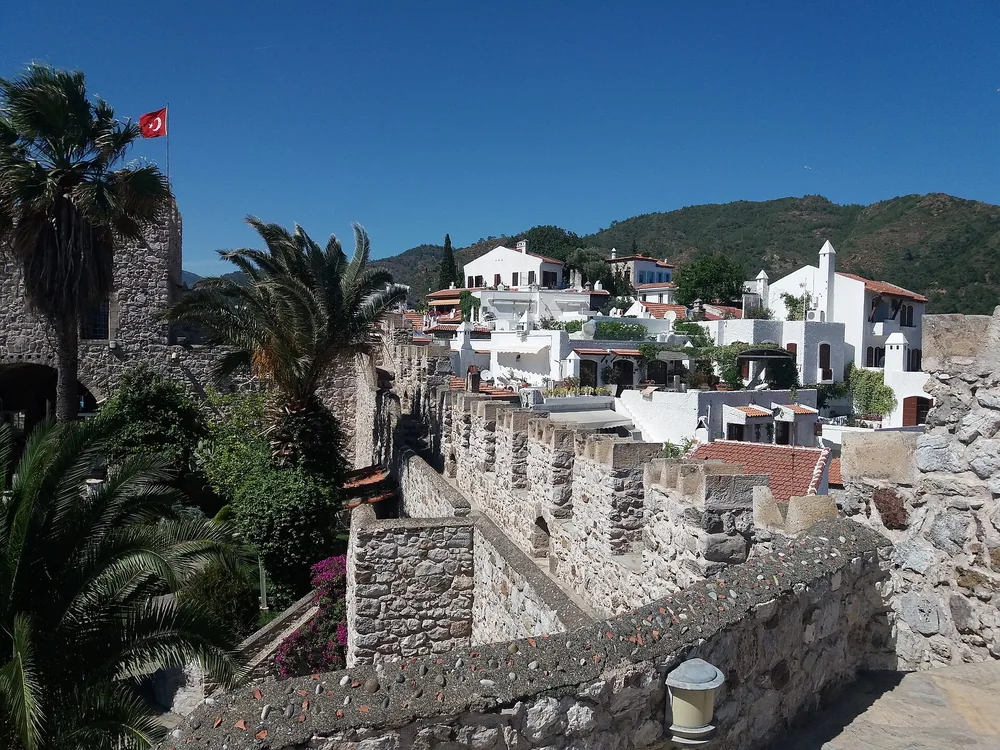
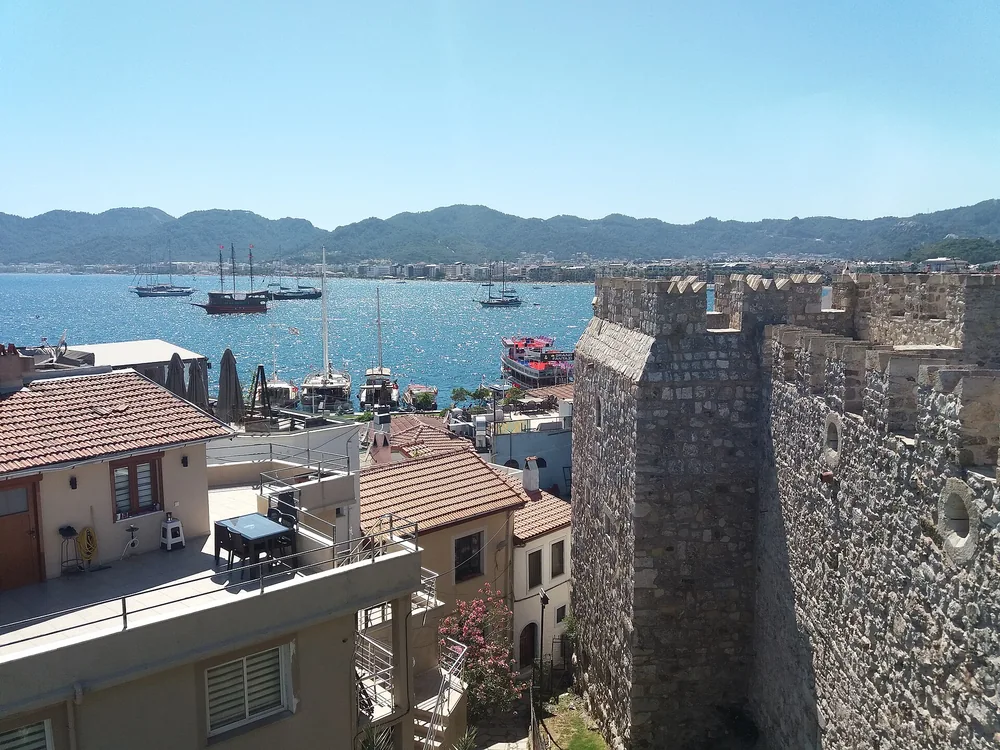
Organise Marmaris history into three outings rather than one crowded list: the town centre, the Turunç coast and the Gökova island direction. The castle and museum make a useful first visit, followed by the old streets and caravanserai surroundings.
Short distances in the centre do not mean level surfaces. Prepare for narrow streets and steps, and ask the museum about suitable access when needed.
Choose Amos for a coastal archaeology day
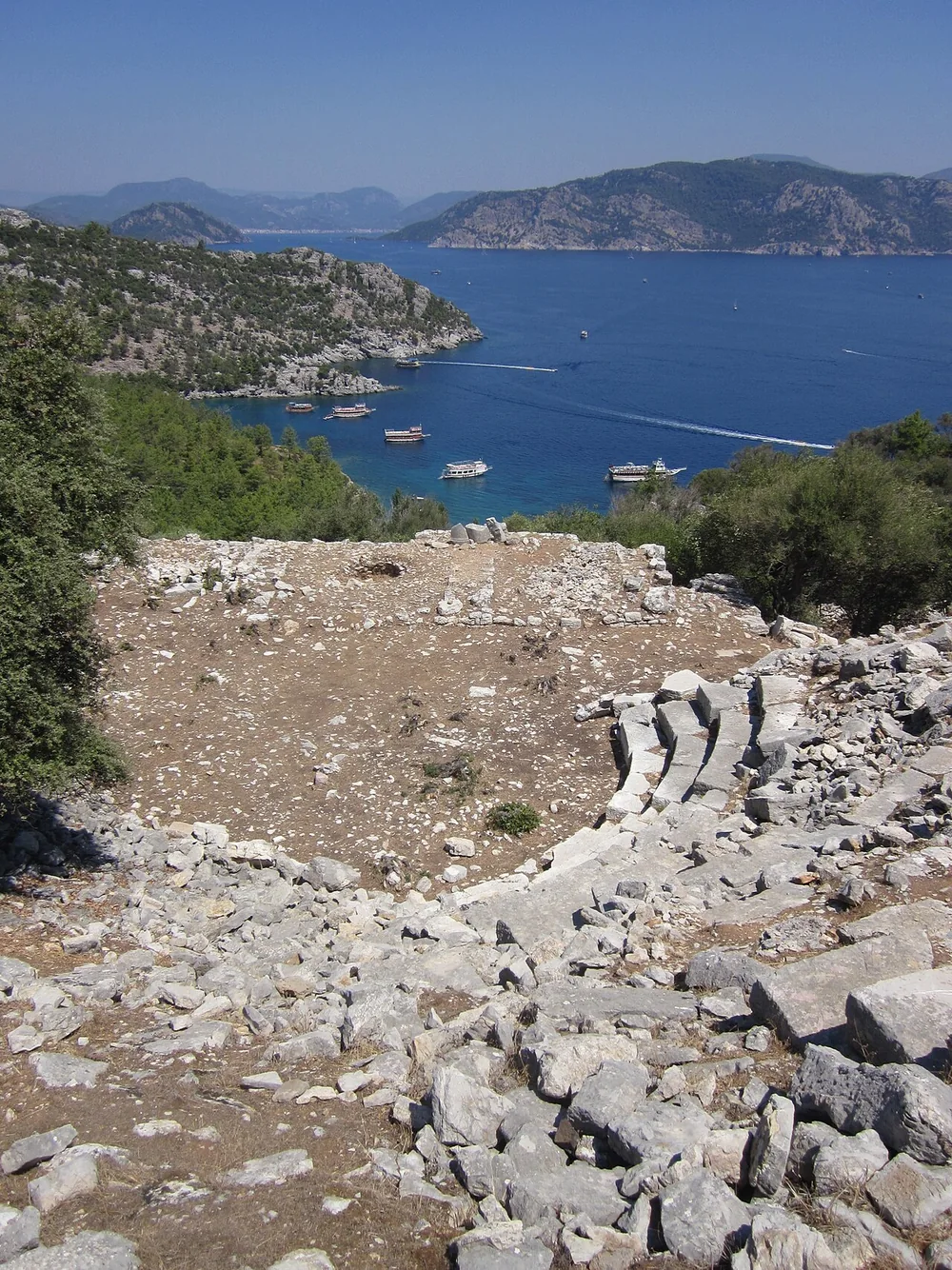
Amos can accompany a Turunç or Kumlubük outing. Its hilltop remains and a bay swim are separate activities with different footwear, access and time requirements. Check the open excavation route and do not enter restricted sections.
Choose Sedir for an island visit
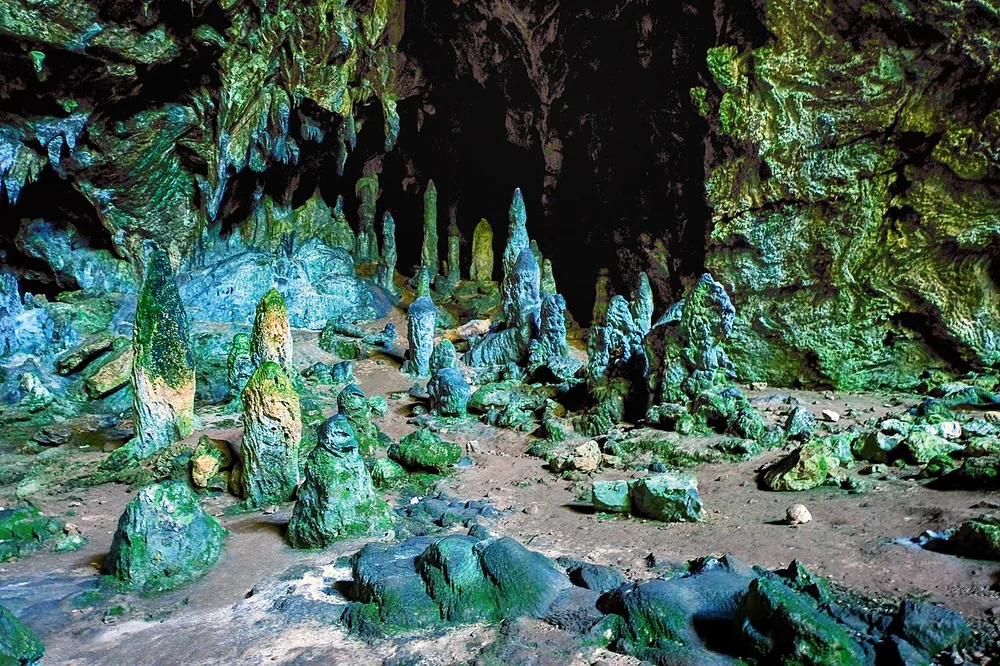
Sedir Island requires a boat crossing and archaeological admission planning. Allow walking time for Kedrai’s remains as well as any protected beach visit.
Official tourism sources also mention Asar Tepe for Physkos and Bozukkale for Loryma. Being named in an official introduction does not prove that a site has a ticket office, marked path or unrestricted access. Research remote approaches separately.
Read the history overview for the wider periods, then choose the route that fits your transport and interests. Leave enough time to return rather than using every ruin as a quick photograph stop.
Frequently asked questions
Can all historic sites be visited in a day?
The central museum and streets can be grouped; Amos, Sedir and remote ruins need separate planning.
Should I choose Sedir or Amos?
Sedir needs sea access; Amos suits the Turunç and Kumlubük direction. Choose by interests and transport.
Does every ancient site have visitor facilities?
No. An official mention does not establish a ticket office or marked path.