Physkos belongs to the wider landscape
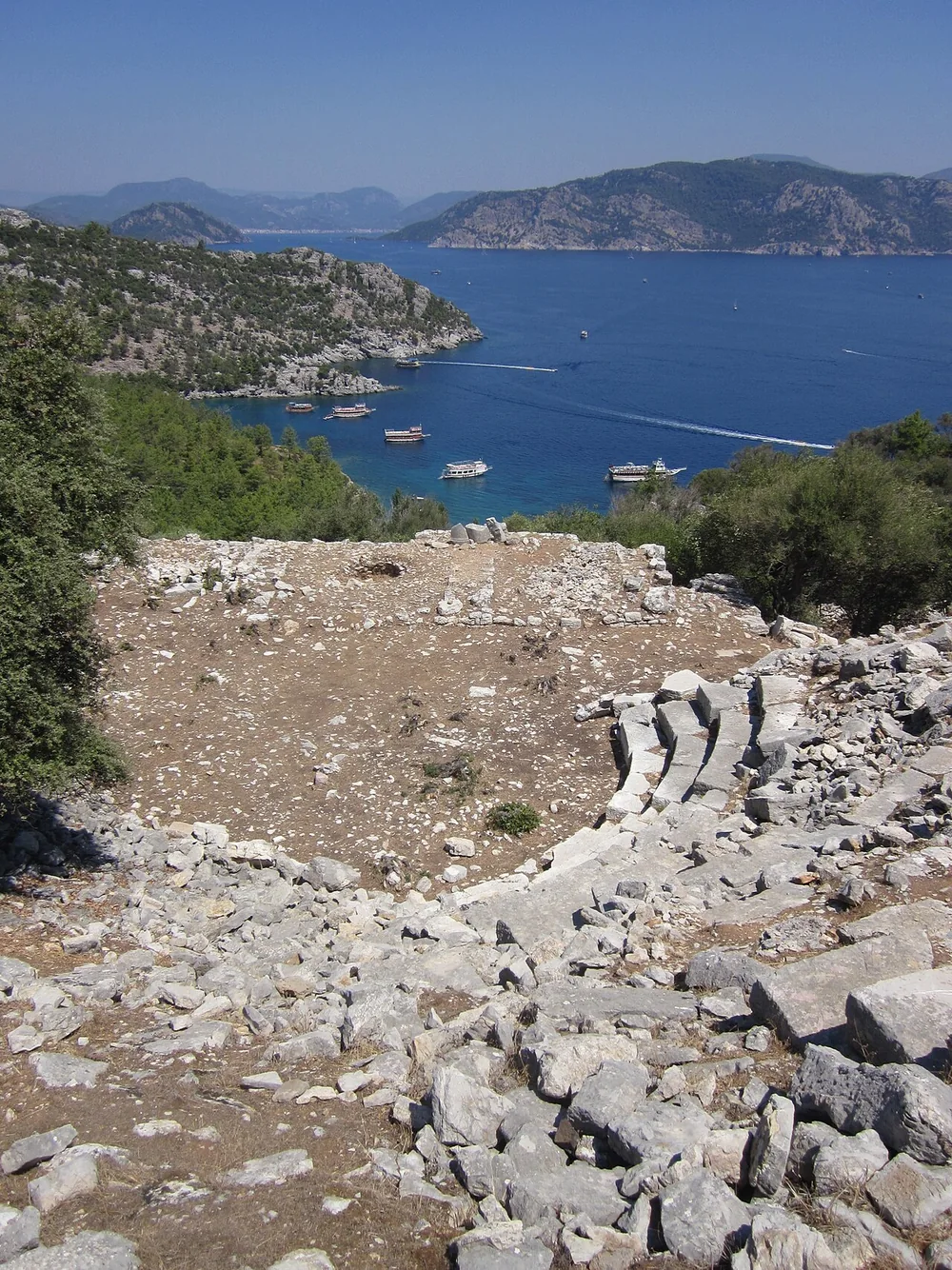
Marmaris history cannot be reduced to castle walls or one foundation date. Ministry information places the remains of ancient Carian Physkos around Asar Tepe north of the modern town. The entire ancient settlement is not visibly contained in today’s waterfront.
Nearby Amos and Kedrai show that the area’s past had more than one centre. Each site needs its own period and archaeological context rather than a single story applied to every ruin.
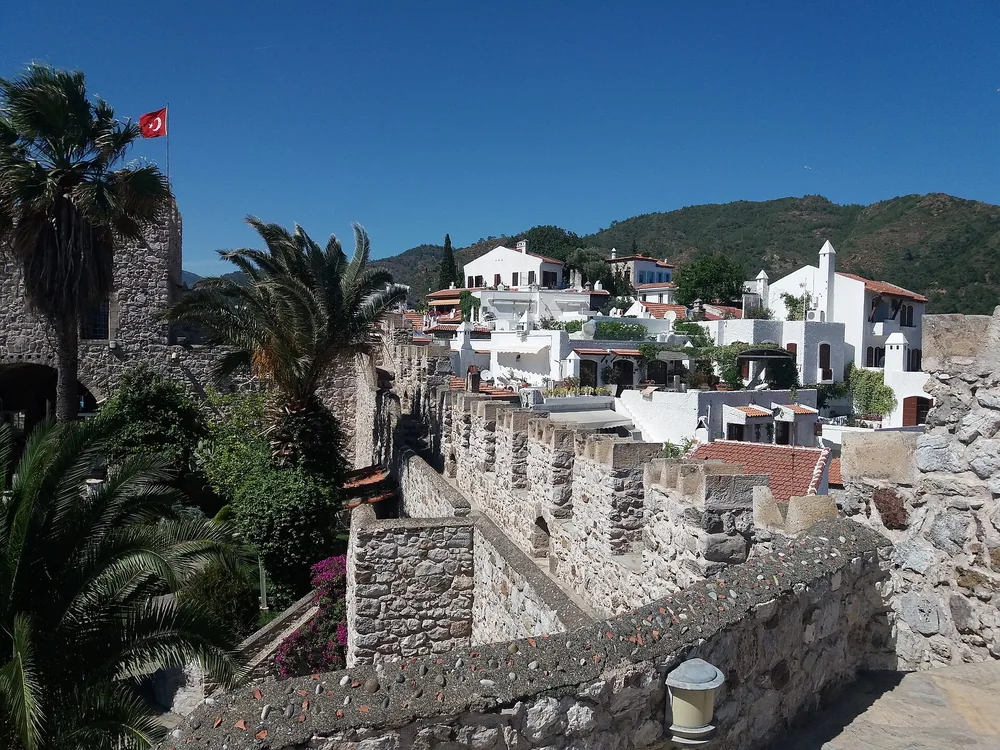
Read the castle’s changes over time
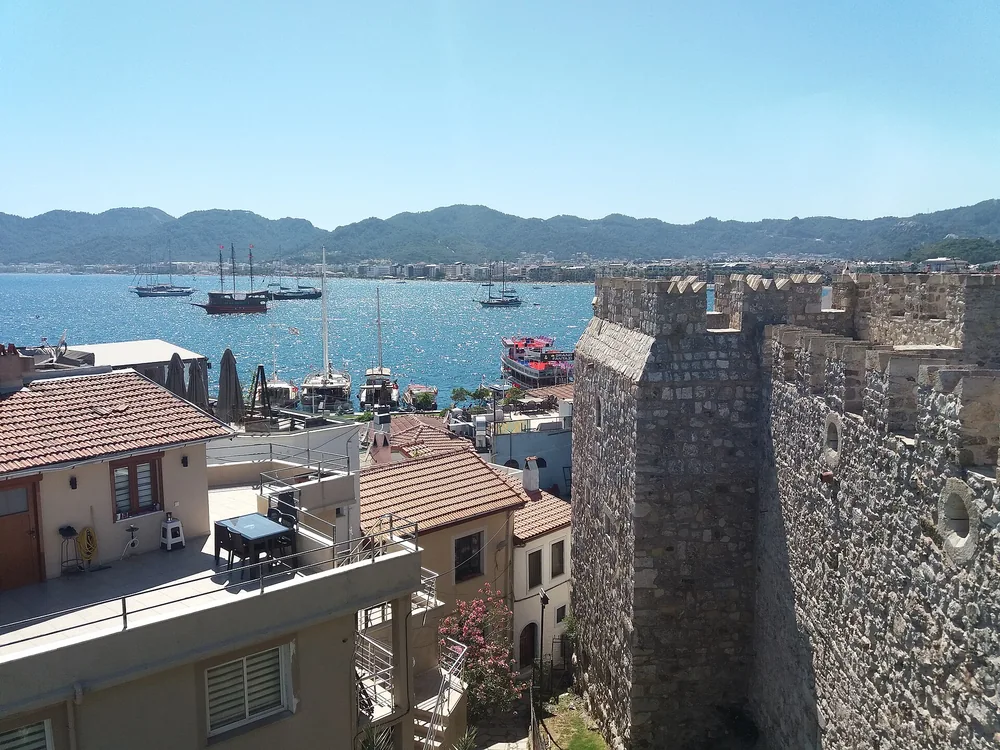
The Ottoman use of Marmaris Castle is associated with Sultan Süleyman’s Rhodes campaign. An initial building, later repair and the walls seen today are not automatically the same historical phase.
When dates differ between descriptions, ask which construction stage they concern. The museum’s labels and official information are more useful than assigning a confident year to every visible feature.
Begin the history walk in town
Marmaris Castle and Museum brings regional finds from different periods together. Continue through the old streets, harbour and caravanserai surroundings, while recognising the living neighbourhood.
Use the historic sites guide for a wider plan. A separate trip to Amos or Sedir Island gives the museum visit outdoor context. Verify current access rather than assuming every named ancient site has a developed visitor route.
Frequently asked questions
How is Physkos connected with Marmaris?
It is an ancient Carian settlement in the area; official sources locate its remains around Asar Tepe north of town.
Why do castle descriptions give different dates?
They can concern initial construction, repairs or Ottoman changes. Identify the phase being described.
Where should a history visit start?
Begin with the castle museum, harbour and caravanserai area, then give distant sites separate days.